Does SoonerCare Cover Vision? A Complete Guide to Your Eye Care Benefits
If you or your child have SoonerCare (Oklahoma Medicaid), it’s natural to wonder: “Does SoonerCare cover vision?” The short answer is: Yes, SoonerCare does cover many vision services, but what’s covered and how often depends on your age, medical needs, and the specific type of service.
This guide walks you through the essentials in clear, plain language so you know what to expect before you schedule an eye appointment.
SoonerCare Vision Coverage at a Glance
Vision coverage under SoonerCare is not one-size-fits-all. Benefits generally fall into two main groups:
- Children and teens (under 21)
- Adults (21 and older)
Here’s a simple overview:
| Age Group | Eye Exams | Glasses / Contacts | Medically Necessary Eye Care |
|---|---|---|---|
| Under 21 | Usually covered on a routine basis | Usually covered (with limits) | Covered when medically necessary |
| 21 and older | More limited; often only when medically necessary | Very limited or not routine | Covered when medically necessary |
Exact details can vary with program rules, prior authorization, and provider participation, but this framework gives you a starting point.
Vision Coverage for Children and Teens on SoonerCare
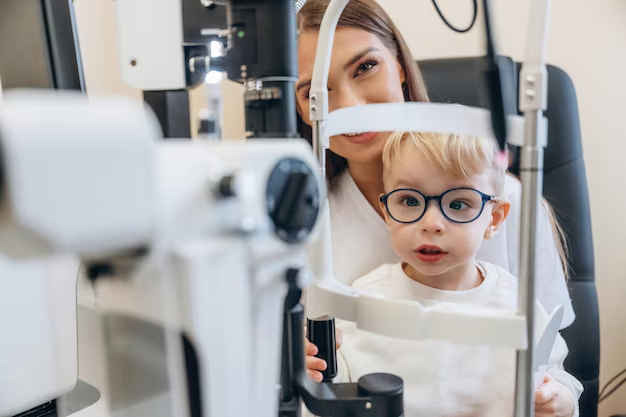
SoonerCare tends to be most generous with vision benefits for children. Many families rely on it for routine eye care as kids grow and their vision changes.
Routine Eye Exams for Kids
For children under 21, SoonerCare typically covers:
- Routine eye exams to check vision and eye health
- Exams when a parent, teacher, or doctor notices vision problems
- Follow-up exams after a glasses prescription changes
In general, it’s common for coverage to allow regular eye exams. Parents often schedule them:
- Before starting school
- If a child has trouble seeing the board or reading
- If the child complains of headaches or eye strain
📝 Tip: When booking, always confirm with the eye doctor’s office that they accept SoonerCare and that the specific exam you are scheduling is covered for your child’s age.
Glasses for Children
For many kids, SoonerCare may cover:
- Frames and lenses
- Lens changes when a prescription changes
- Replacement glasses under certain conditions (for example, if they are lost or broken, subject to program rules)
There are usually limits on:
- How often new frames can be obtained
- The types or styles of frames covered (some higher-cost designs may not be included)
- How many times lenses can be replaced within a certain time period
Providers often have a selection of covered frames. Families can usually choose from these at little or no cost, and sometimes pay out-of-pocket if they want non-covered upgrades.
Contact Lenses for Children
SoonerCare’s coverage of contact lenses for kids is usually more limited than glasses. Contacts may be covered when:
- They are considered medically necessary, such as for certain eye conditions where glasses do not work well
- The child has a specific vision problem that is better corrected with contacts
Cosmetic contact lens use, or wanting contacts for convenience or sports only, is less likely to be covered.
Vision Coverage for Adults on SoonerCare
For adults 21 and older, vision coverage is typically more limited, especially for routine services.
Eye Exams for Adults
Many adults on SoonerCare find that:
- Eye exams are more likely to be covered when there is a medical reason, such as:
- Eye pain or redness
- Sudden changes in vision
- Monitoring an ongoing eye condition
- Coverage for purely routine “check-up” exams (when you do not have symptoms or a known eye condition) may be more restricted, or not available under some program options
This distinction between routine and medically necessary care is important. If the visit is tied to a medical concern, it is more likely to fall under covered services.
Glasses for Adults
SoonerCare coverage for adult eyeglasses is often:
- Limited compared with children’s coverage
- Available in some cases, for example:
- After certain types of eye surgery
- When glasses are part of treating a covered medical condition
- Subject to rules about how often glasses can be replaced, if covered
Routine glasses purely for everyday vision correction (for example, a standard near-sighted prescription with no other medical issues) may not always be included. Many adults on SoonerCare end up paying for glasses out-of-pocket at discount retailers or through community programs.
Contact Lenses for Adults
As with children, contact lenses for adults are rarely covered for cosmetic or convenience reasons. They may be considered only when:
- Contacts are medically necessary due to specific conditions
- Glasses do not adequately correct the vision problem
If you are an adult on SoonerCare and interested in contacts, it’s a good idea to ask the eye doctor’s staff in advance:
- Whether contacts might be considered medically necessary in your case
- Whether the exam and fitting are covered, and what, if anything, you would pay
Medically Necessary Vision Services Under SoonerCare
One of the most important parts of SoonerCare’s vision benefit is medically necessary eye care.
This typically includes:
- Diagnosis and treatment of eye diseases or injuries, such as:
- Infections
- Injuries to the eye
- Certain chronic eye conditions
- Exams and tests ordered to evaluate:
- Sudden blurred vision
- Eye pain or discomfort
- Unusual visual symptoms
In many situations, SoonerCare may cover:
- Eye exams tied to these problems
- Necessary medications related to eye conditions, when they fall under the pharmacy benefit
- Some procedures or surgeries, when approved and medically justified
Coverage details can depend on prior authorization, specific diagnosis, and whether the provider follows SoonerCare rules. Eye doctors’ offices that are familiar with SoonerCare can usually help patients understand what is likely to be covered for their situation.
Commonly Asked Questions About SoonerCare and Vision
1. Does SoonerCare cover annual eye exams?
- Children: Routine eye exams are often covered at regular intervals, which may be yearly or as needed based on program rules and the child’s needs.
- Adults: Coverage is more likely when an exam is considered medically necessary rather than purely routine. Some adults may not have an annual “checkup” included unless linked to a medical concern.
To be sure, it’s best to:
- Call the eye clinic and confirm they accept SoonerCare.
- Ask whether the exam you want is typically covered for your age and reason for the visit.
2. Can I get designer frames with SoonerCare?
SoonerCare usually covers a basic selection of frames. Designer or premium frames often:
- Cost more than the allowed amount
- Require you to pay the difference out-of-pocket if you choose them
Many people choose from the covered options to avoid additional costs.
3. Does SoonerCare pay for sunglasses or blue-light glasses?
In most cases:
- Non-prescription sunglasses, fashion glasses, or blue-light-only glasses are not covered
- If sunglasses are prescribed for a specific medical reason, coverage may depend on the circumstances and program rules
Check with your provider if you have a medical condition that requires special lenses.
4. Do I need a referral to see an eye doctor?
The rules can vary based on:
- Your SoonerCare plan type
- Whether the provider is a specialist or considered a primary eye care provider in your network
Many people can schedule directly with an eye doctor who accepts SoonerCare, but some may need a referral from their primary care provider, especially for certain specialist services. The safest approach is to:
- Call your primary care clinic and ask if a referral is needed
- Confirm with the eye clinic when making the appointment
How to Check Your Specific SoonerCare Vision Benefits
Because coverage can change and may depend on your personal situation, the most reliable information will come from SoonerCare directly and from an eye care provider who works with them regularly.
You can:
Look at your SoonerCare member materials
These often include a benefits summary that explains what’s covered for vision by age group.Call the customer service number on your SoonerCare card
Ask about:- Eye exam coverage for your age
- Coverage for glasses or contacts
- Any limits on how often you can use those benefits
Ask the eye doctor’s office before your visit
When you call to schedule, mention:- That you have SoonerCare
- The reason for the visit (routine exam vs. specific problem)
- Whether you expect to need glasses or contacts
The front desk staff can often estimate what is covered and what costs, if any, you may be responsible for.
Practical Tips for Using Your SoonerCare Vision Benefits
To make the most of your coverage:
Confirm coverage ahead of time
A quick call before your appointment can prevent surprise bills.Bring your SoonerCare card to every visit
Clinics need this information to bill correctly.Ask for a breakdown of any costs
If the provider recommends extras like special lens coatings, designer frames, or non-covered services, you can decide what fits your budget.Keep track of when you last had an exam or glasses
Coverage limits often depend on timing (for example, once per year or once every set number of months).Discuss medical concerns clearly
If you have eye pain, sudden vision changes, or a history of eye disease, share that with the provider so your visit is documented as medically necessary when appropriate.
Key Takeaways: Does SoonerCare Cover Vision?
- Yes, SoonerCare does cover vision, but with important differences between children and adults.
- Children under 21 usually have broader coverage, including:
- Routine eye exams
- Glasses (with some limits on frequency and frame options)
- Medically necessary vision care
- Adults 21 and older often have:
- More limited routine vision coverage
- Greater focus on medically necessary eye exams and treatments
- Less consistent coverage for routine glasses and contacts
- Contact lenses are generally covered only when medically necessary, not just for convenience or cosmetic reasons.
- The safest way to know what your SoonerCare plan covers is to:
- Call the number on your SoonerCare card
- Confirm details with an eye care provider who accepts SoonerCare
With a bit of advance checking, you can understand exactly what vision services SoonerCare will cover for you or your child and plan your eye care visits with fewer surprises.
Related Topics
- Does Soonercare Cover Braces
- Does Soonercare Cover Dental
- Does Soonercare Cover Dental Implants For Adults
- How Do i Apply For Soonercare
- How Do You Apply For Soonercare
- How To Apply For Soonercare
- How To Sign Up For Soonercare
- Is Soonercare Medicaid
- Is Soonercare Medicaid Or Medicare
- Is Soonercare Medicare Or Medicaid
- What Dentist Takes Soonercare For Adults
- What Is Soonercare
- What Is Soonercare In Oklahoma
- What Is Soonercare Oklahoma
- What Is The Income Limit For Soonercare In Oklahoma
- Who Qualifies For Soonercare