Does Medi‑Cal Cover Dentures? A Clear Guide to What’s Included
If you’re on Medi‑Cal and need replacement teeth, it’s natural to ask: Does Medi‑Cal cover dentures, and if so, what exactly is included?
The short answer: Yes, Medi‑Cal does cover dentures for adults and children, but coverage has limits, rules, and costs that depend on your specific plan and situation.
This guide walks you through how Medi‑Cal dental coverage (often called Denti‑Cal) works for dentures, what’s typically covered, what might not be, and how to navigate the process as smoothly as possible.
Understanding Medi‑Cal Dental (Denti‑Cal) Basics
Medi‑Cal is California’s Medicaid program. Medi‑Cal Dental (sometimes called Denti‑Cal) provides dental benefits to eligible children and adults.
For adults, Medi‑Cal historically limited dental benefits, but dentures and related services are generally included as a covered benefit, subject to certain conditions. For children under 21, coverage is often more comprehensive under federal requirements for children’s benefits.
Key things to know up front:
- Dentures are commonly covered, but:
- The type of denture (full vs. partial, upper vs. lower)
- The frequency of replacement
- The need for prior authorization
- And any share of cost
can all affect what you actually pay and receive.
What Kinds of Dentures Does Medi‑Cal Typically Cover?
Medi‑Cal’s dental benefits usually focus on services considered medically necessary to restore basic chewing function and oral health. That often includes:
1. Full Dentures
Full (complete) dentures replace all teeth in the upper jaw, lower jaw, or both.
Medi‑Cal may cover:
- Conventional full dentures for top, bottom, or both arches
- Initial fitting, adjustments, and some follow‑up care
Full dentures are usually covered when:
- You are missing most or all teeth in a jaw
- Your dentist documents that dentures are needed for function and oral health
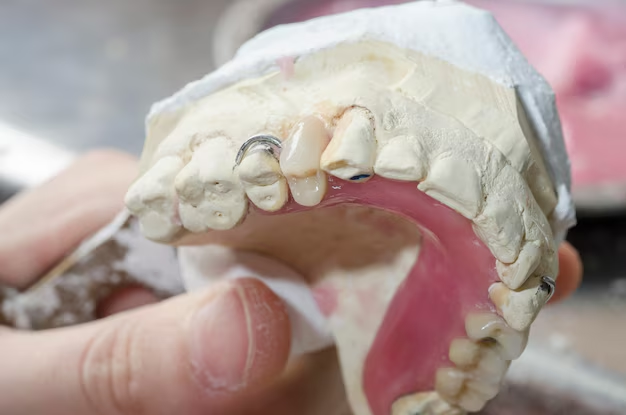
2. Partial Dentures
Partial dentures replace several missing teeth, but not the entire arch.
Medi‑Cal may cover:
- Removable partial dentures (metal or acrylic base, depending on policy)
- Clasps and components needed to attach to remaining teeth
- Adjustments and certain repairs
Partial dentures are generally considered when:
- You still have some healthy teeth
- A partial can restore chewing function and improve stability
3. Immediate Dentures
Immediate dentures are placed soon after teeth are removed, so you’re not left without teeth during healing.
Medi‑Cal may cover:
- Immediate full or partial dentures when extractions are done
- Later adjustments or relining once gums and bone have healed
Coverage can depend on:
- Whether the immediate denture is viewed as medically necessary
- How the treatment plan is submitted and approved by Medi‑Cal
4. Denture Repairs and Adjustments
Over time, dentures can crack, break, or loosen as your mouth changes. Medi‑Cal typically includes some coverage for:
- Denture repairs (broken base, broken teeth on the denture)
- Relines (adding material inside the denture to improve fit)
- Adjustments to reduce sore spots or improve comfort
The exact limits can vary, such as how often a reline is allowed and under what circumstances.
What Denture Services Are Not Always Covered?
While Medi‑Cal does cover dentures, it may not cover every option or upgrade. This often includes services that are mainly cosmetic or considered beyond basic medical need.
Common examples that may not be fully covered:
- Premium material upgrades beyond what’s considered standard
- Some implant‑supported dentures (coverage can be very limited or excluded for implants)
- Extra cosmetic improvements aimed purely at appearance
- Replacements done more frequently than Medi‑Cal allows, unless there’s a clear medical reason
If a service is partially covered, you might need to pay the difference between what Medi‑Cal pays and the provider’s total charge, but dentists are required to explain this and obtain your agreement before proceeding.
Typical Rules and Limits for Denture Coverage
Medi‑Cal coverage for dentures usually comes with rules about frequency, necessity, and authorization.
Frequency Limits
Medi‑Cal may limit:
- How often you can get new dentures (for example, once every several years)
- How often you can get relines or repairs under the benefit
Replacements are more likely to be approved when:
- The existing dentures are worn out or broken beyond repair
- Your mouth has changed significantly, affecting fit and function
- There is documented discomfort or functional difficulty
Medical Necessity
To qualify under Medi‑Cal, denture services generally must be:
- Necessary for basic function (chewing, speaking, oral health)
- Supported by clinical findings (missing teeth, bone loss, etc.)
Dentists usually document:
- The condition of your remaining teeth (if any)
- Existing dentures (if they’re broken, worn, or ill‑fitting)
- Your ability to chew or speak properly without the denture
Prior Authorization
Some denture procedures may require prior authorization from Medi‑Cal, especially:
- New full dentures
- Complex partials
- Immediate dentures in certain situations
- Multiple denture services within a limited time frame
In these cases:
- Your dentist submits a treatment plan and documentation.
- Medi‑Cal reviews and approves or denies the request.
- You should be informed about coverage before treatment moves forward.
Adult vs. Child Denture Coverage Under Medi‑Cal
Adults (21 and Older)
For adults, Medi‑Cal dental benefits may:
- Cover full and partial dentures, plus some repairs and relines
- Include extractions of teeth that cannot be saved
- Have more limits on cosmetic options and frequency of replacements
Children and Teens (Under 21)
For children, Medi‑Cal is generally required to provide more comprehensive dental care. That may include:
- Restorative treatments before dentures are considered
- Dentures only when clearly needed for function, development, or health
- Closer evaluation to ensure that dentures are appropriate for a growing mouth
The specific plan, age, and dental development of the child all influence what’s proposed and covered.
Costs: Will You Have a Copay or Share of Cost?
Many people want to know: “How much will dentures cost me with Medi‑Cal?”
What you pay can depend on:
- Whether you have full‑scope Medi‑Cal
- If you have a “share of cost” (similar to a deductible)
- The type of denture and whether you choose any non‑covered upgrades
Some members have:
- No copays for covered dental services
- A share of cost that must be met before Medi‑Cal pays
- Optional out‑of‑pocket expenses if they choose features not fully covered
Always ask:
- Whether the proposed denture is fully covered or partially covered
- If there are any extra fees for materials, design, or cosmetic choices
- Whether lower‑cost, fully covered alternatives exist
Quick Reference: Common Denture Services and Medi‑Cal Coverage
This is a general guide. Actual coverage can vary by plan, region, and policy updates.
| Service | Typically Covered? | Notes |
|---|---|---|
| Full (complete) dentures | Often yes | When medically necessary to replace missing teeth |
| Partial dentures | Often yes | For multiple missing teeth when some natural teeth remain |
| Immediate dentures | Sometimes covered | May require prior authorization; depends on necessity |
| Denture repairs | Commonly covered | Limits may apply to frequency and type of repair |
| Denture relines/adjustments | Often covered | Especially if affecting comfort and function |
| Implant‑supported dentures | Often limited or not covered | Considered beyond standard benefit in many cases |
| Cosmetic upgrades | Usually not fully covered | Member may pay extra if choosing non‑standard options |
What to Expect During the Denture Process with Medi‑Cal
If you’re planning to get dentures under Medi‑Cal, the process often follows these general steps:
1. Find a Medi‑Cal Dental Provider
- Look for a dentist who accepts Medi‑Cal/Denti‑Cal.
- When you call, confirm:
- They accept your specific Medi‑Cal plan
- They provide denture services
2. Get an Exam and Treatment Plan
At your visit, the dentist typically:
- Examines your mouth, teeth, and gums
- Takes X‑rays if needed
- Discusses options (full denture, partial denture, extractions, etc.)
- Prepares a treatment plan indicating which services are expected to be covered
Ask for a clear explanation of:
- Which steps are Medi‑Cal‑covered benefits
- Any conditions for coverage (like prior authorization)
- Approximate timelines from impressions to delivery
3. Authorization and Approvals (If Required)
If prior authorization is needed:
- The office submits the request
- You may need to wait for approval before major steps begin
- The office should inform you of the decision
⚠️ Helpful tip:
Before you agree to treatment, ask the office to confirm Medi‑Cal approval and clarify any out‑of‑pocket costs in writing if possible.
4. Impressions, Try‑Ins, and Final Dentures
Once approved, the process may include:
- Impressions of your mouth for custom molds
- Bite registration to align your jaws
- Wax try‑in appointments to check fit and appearance
- Final denture delivery, plus instructions on care
You may have several appointments to refine the fit, especially in the first weeks.
5. Follow‑Up Care and Adjustments
Most people need at least one or two adjustment visits after receiving new dentures. These are often covered under the denture benefit, particularly in the early period after delivery.
If you have ongoing pain, sore spots, or difficulty eating, let your dentist know so they can document the issues and address them appropriately.
Questions to Ask Your Dentist About Medi‑Cal Denture Coverage
To avoid surprises, bring a list of questions to your appointment, such as:
- Are you a Medi‑Cal dental provider, and do you accept my specific plan?
- What type of denture are you recommending—full, partial, immediate, or something else?
- Is this denture fully covered by Medi‑Cal, or are there extra costs I should know about?
- Does this treatment require prior authorization? If so, how long does that usually take?
- How often can Medi‑Cal replace or reline my dentures?
- If I choose upgrades (like different materials or teeth), what will I need to pay out of pocket?
- What follow‑up visits are included, and what should I do if the denture doesn’t fit well?
Having clear answers can help you decide comfortably and understand your responsibilities.
Practical Tips for Using Your Medi‑Cal Denture Benefits Wisely
Stay within the Medi‑Cal network.
Using a provider who accepts Medi‑Cal and understands its rules reduces the risk of unexpected bills.Ask for a coverage check before treatment.
Many offices can verify what is covered and whether prior authorization is required.Understand the difference between “covered” and “optional” services.
Covered services are paid (fully or partly) by Medi‑Cal. Optional upgrades are usually your responsibility.Keep your dentures in good condition.
Proper cleaning, storage, and regular checkups may help extend the life of your dentures and reduce the need for early replacement.Update your dentist if your health or medications change.
Changes in overall health can affect your oral tissues and denture fit over time.
Key Takeaways: Does Medi‑Cal Cover Dentures?
- Yes, Medi‑Cal generally covers dentures—both full and partial—for eligible adults and children, when they’re considered medically necessary.
- Coverage usually includes:
- New dentures
- Some types of immediate dentures
- Repairs, relines, and adjustments
- Coverage may not include:
- Certain cosmetic upgrades
- Some implant‑related denture options
- Replacements more often than allowed, unless medically justified
- You may have:
- No copay, or
- A share of cost, and
- Possible out‑of‑pocket expenses for non‑covered upgrades.
- The best way to know what applies to you is to:
- Confirm your coverage with your Medi‑Cal plan
- Work with a Medi‑Cal‑participating dentist
- Ask clear questions about coverage, approvals, and any personal costs before starting treatment
Once you understand how Medi‑Cal and dentures fit together, it becomes much easier to plan your care, manage expectations, and get the dental support you need.
Related Topics
- Can i Have Medi-cal And Private Insurance
- Can i Qualify For Medi-cal
- Does Carbon Health Accept Medi-cal
- Does Cedars Sinai Accept Medi Cal
- Does Cedars Sinai Take Medi Cal
- Does Costco Optical Accept Medi-cal
- Does Cvs Accept Medi Cal
- Does Cvs Take Medi Cal
- Does Kaiser Accept Medi Cal
- Does Kaiser Permanente Take Medi Cal
- Does Medi Cal Cover Ambulance
- Does Medi-cal Cover Braces
- Does Medi Cal Cover Dental
- Does Medi-cal Cover Dental Implants
- Does Medi-cal Cover Glasses For Adults
- Does Medi-cal Cover Ozempic
- Does Medi-cal Cover Ozempic For Weight Loss
- Does Medi-cal Cover Root Canals
- Does Medi Cal Cover Therapy
- Does Medi Cal Cover Vision
- Does Medi-cal Cover Wegovy
- Does Medi-cal Cover Wegovy For Weight Loss
- Does Medi Cal Pay For Assisted Living
- Does Sutter Health Accept Medi-cal
- Does Ucla Accept Medi Cal
- Does Urgent Care Accept Medi Cal
- Does Western Dental Accept Medi Cal
- Do i Qualify For Medi Cal
- How Does Medi-cal Verify Income
- How Do i Apply For Medi Cal
- How Do i Cancel Medi Cal
- How Do i Find My Medi Cal Number
- How Do i Get My Medi Cal Card Online
- How Do You Cancel Medi Cal
- How Do You Qualify For Medi Cal
- How Is Medi Cal Funded
- How Much Does Medi Cal Cost
- How To Apply For Medi Cal
- How To Apply For Medi Cal California
- How To Apply For Medi Cal In California
- How To Apply Medi-cal
- How To Avoid Medi-cal Estate Recovery
- How To Cancel Medi-cal
- How To Cancel Medi Cal California
- How To Cancel Medi Cal Online
- How To Discontinue Medi Cal
- How To Enroll In Medi-cal Plan
- How To Find Case Number Of Medi Cal
- How To Get a Copy Of My 1095-b Form Medi-cal
- How To Get Kaiser Medi Cal
- How To Get Kaiser With Medi-cal
- How To Get Medi Cal
- How To Qualify For Medi Cal
- How To Renew Medi-cal Online
- Is Covered California Medi Cal
- Is Health Net Medi Cal
- Is Medicaid And Medi-cal The Same Thing
- Is Medicaid The Same As Medi Cal
- Is Medi Cal And Medicaid The Same
- Is Medi Cal Funded By Federal Government
- Is Medi Cal Hmo Or Ppo
- Is Medi Cal Medicaid
- Is Medi Cal Medicare
- Is Medi Cal The Same As Medicaid
- Is Ozempic Covered By Medi Cal
- What Does Medi Cal Cover
- What Does Medi-cal Not Cover
- What Is Medi-cal
- What Is Medi Cal In California
- What Is Medi Cal Insurance
- What Is Straight Medi Cal
- What Is The Difference Between Medicaid And Medi-cal
- What Is The Income Limit For Medi-cal 2024
- What Is The Income Limit For Medi-cal 2024 2023
- What Is The Income Limit For Medi-cal 2024 In California
- What Is The Income Limit For Medi Cal 2025
- What Is The Medi-cal Income Limit For 2024
- What's The Difference Between Medicaid And Medi-cal
- Where Can i Apply For Medi Cal
- Who Is Eligible For Medi Cal
- Who Qualifies For Medi Cal